
Saudi Arabia is undergoing one of the most significant cultural transformations in its modern history. As of 31 March 2026, the Kingdom’s cultural scene reflects a dynamic blend of tradition, modernization, and global engagement. Driven largely by Saudi Vision 2030, the country is redefining its identity through entertainment, arts, heritage preservation, social change, and digital innovation.
This article provides a detailed overview of the latest cultural developments shaping Saudi Arabia today, highlighting how the Kingdom is evolving while maintaining its core values.
Expansion of Entertainment and Cultural Festivals

4
One of the most visible indicators of cultural transformation in Saudi Arabia is the rapid expansion of entertainment events and public festivals. Initiatives like Riyadh Season have become central to the Kingdom’s cultural strategy.
Originally launched to boost tourism and diversify the economy, Riyadh Season has evolved into a global entertainment phenomenon. It features:
- International music concerts
- Theatrical performances
- Cultural exhibitions
- Food festivals and global cuisine experiences
In 2026, these events continue to attract millions of visitors, both local and international. The scale and diversity of programming indicate a shift in how entertainment is perceived within Saudi society. What was once limited is now widely embraced as part of everyday cultural life.
This transformation is not just about leisure. It represents a broader effort to position Saudi Arabia as a leading destination for global entertainment and cultural exchange.
Growth of Film Industry and Creative Media

4
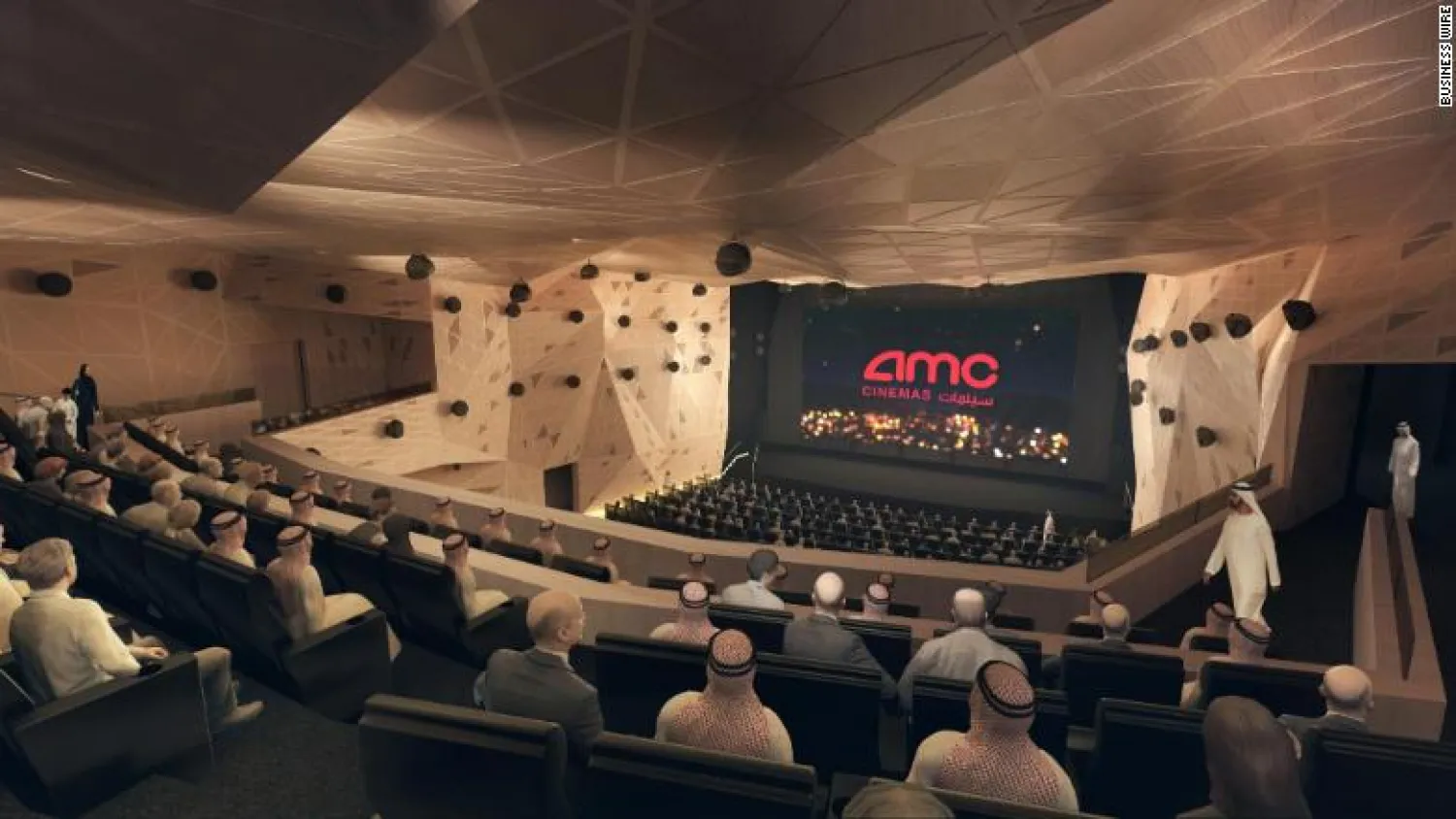
The development of the film industry is another key cultural milestone. Since cinemas were reopened, Saudi Arabia has witnessed rapid growth in film production, distribution, and audience engagement.
A major platform supporting this growth is the Red Sea International Film Festival, which showcases regional and international films while promoting Saudi talent.
Current trends include:
- Increased funding for local filmmakers
- Expansion of cinema infrastructure across cities
- Rising participation of Saudi films in global festivals
- Emergence of independent creators and digital storytellers
This shift marks a transition from a passive media consumption culture to an active content creation ecosystem. Saudi filmmakers are now telling local stories with global appeal, contributing to the Kingdom’s cultural diplomacy.
Revival of Heritage and Cultural Tourism
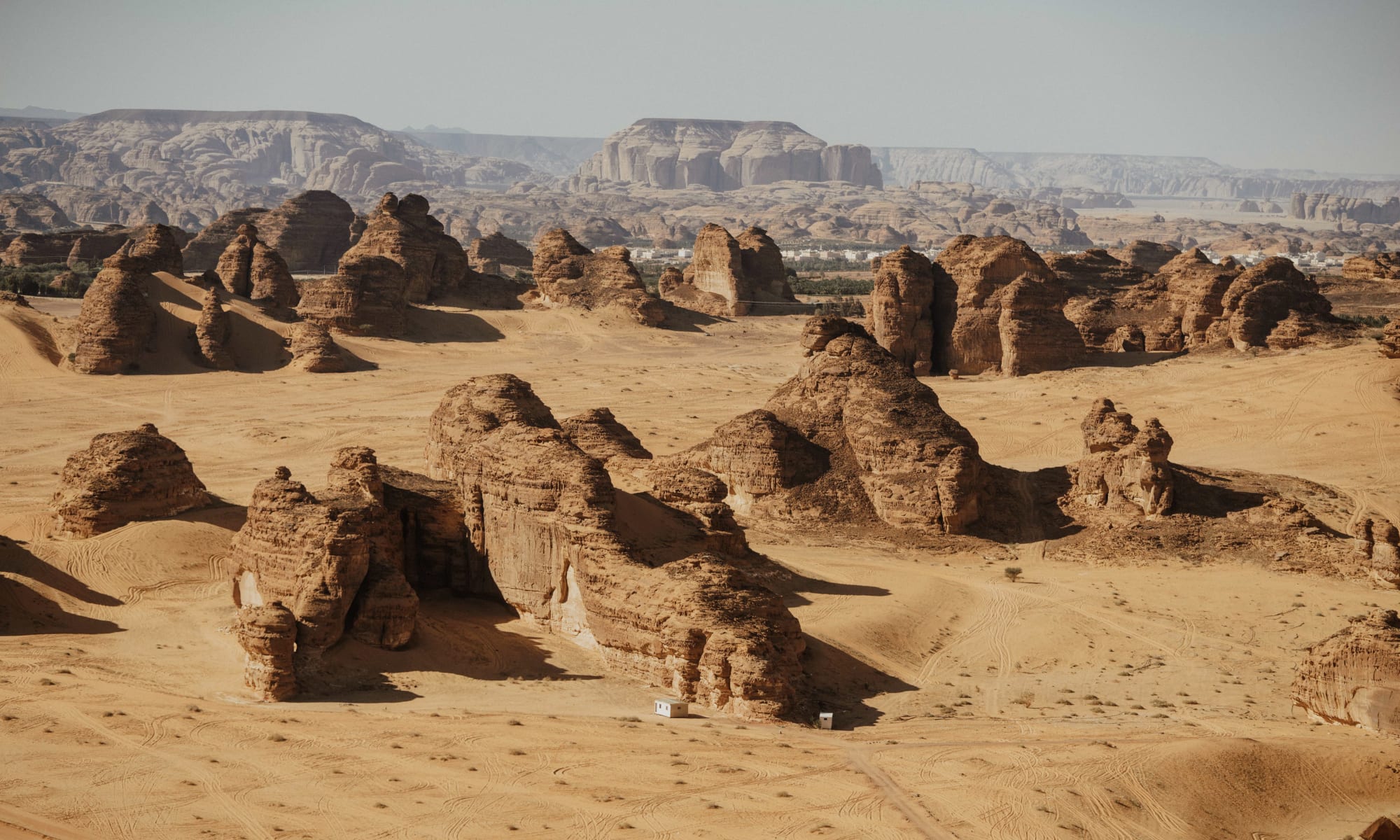
While modernization is accelerating, Saudi Arabia is equally committed to preserving its historical and cultural heritage. Sites like AlUla and Diriyah have become focal points for cultural tourism.
Recent developments include:
- Restoration of ancient landmarks and archaeological sites
- Establishment of museums and cultural institutions
- Promotion of traditional arts such as calligraphy, music, and crafts
- Organization of heritage festivals celebrating Saudi identity
These efforts serve multiple purposes. They strengthen national identity, attract international tourists, and educate younger generations about their cultural roots.
Saudi Arabia’s approach is strategic. Rather than replacing tradition with modernity, it is integrating both to create a unique cultural narrative.
Social Transformation and Lifestyle Changes

One of the most discussed aspects of Saudi cultural change is the transformation of social norms and lifestyles. Over recent years, these changes have become increasingly visible in everyday life.
Key observations in 2026 include:
- Greater participation of women in the workforce and public life
- Expansion of social spaces such as cafés, restaurants, and entertainment venues
- Evolution of fashion, blending traditional attire with modern styles
- Increased acceptance of public events with diverse audiences
These developments are particularly evident among the younger population, which constitutes a large segment of Saudi society. الشباب are embracing new opportunities while still respecting cultural values.
This balance between change and continuity is critical. It ensures that modernization does not come at the expense of identity.
Cultural Significance of Ramadan
During this period, Saudi Arabia is also experiencing the cultural and spiritual atmosphere of Ramadan. This holy month plays a central role in shaping social and cultural activities.
Current cultural highlights include:
- Community Iftar gatherings bringing families and communities together
- Night markets and Ramadan-themed events
- Increased charitable activities and social solidarity
- Special television programs and cultural content
Ramadan represents a time when tradition becomes more visible and influential. Even as the country modernizes, these religious and cultural practices remain deeply embedded in society.
This coexistence of modern entertainment and traditional observance illustrates the unique cultural model Saudi Arabia is developing.
Rise of Digital Culture and Youth Influence
Digital transformation is another powerful force shaping Saudi culture. The Kingdom has one of the highest rates of social media usage in the region, and young people are leading this digital revolution.
Popular platforms include:
- TikTok
- YouTube
Saudi creators are producing content across various domains:
- Lifestyle and daily vlogs
- Educational and technical content
- Comedy and entertainment
- Fashion and travel
This digital ecosystem is redefining cultural expression. It allows individuals to share their perspectives, influence public opinion, and participate in global conversations.
Moreover, digital platforms are creating new economic opportunities, including influencer marketing, content monetization, and online entrepreneurship.
Cultural Policy and Strategic Direction
All these developments are part of a broader strategic vision. Saudi Vision 2030 aims to diversify the economy, reduce dependence on oil, and enhance the quality of life for citizens.
Culture plays a central role in this vision. Investments in entertainment, arts, tourism, and heritage are not isolated initiatives. They are interconnected components of a comprehensive national strategy.
The government is actively supporting:
- Creative industries
- Cultural institutions
- International collaborations
- Youth engagement programs
This structured approach ensures that cultural transformation is sustainable and aligned with long-term national goals.
Conclusion
As of 31 March 2026, Saudi Arabia’s cultural landscape reflects a nation in transition. The Kingdom is successfully balancing modernization with tradition, creating a unique cultural identity that resonates both locally and globally.
Key takeaways include:
- Expansion of large-scale entertainment events
- Rapid growth of the film and creative industries
- Strong emphasis on heritage preservation and tourism
- Visible social and lifestyle transformations
- Continued importance of religious and cultural traditions
- Increasing influence of digital platforms and youth
Saudi Arabia is not merely changing. It is redefining what cultural development looks like in the 21st century. By integrating innovation with heritage, the Kingdom is building a cultural model that is both progressive and rooted in its history.
This ongoing transformation positions Saudi Arabia as a significant cultural force in the Middle East and beyond.