
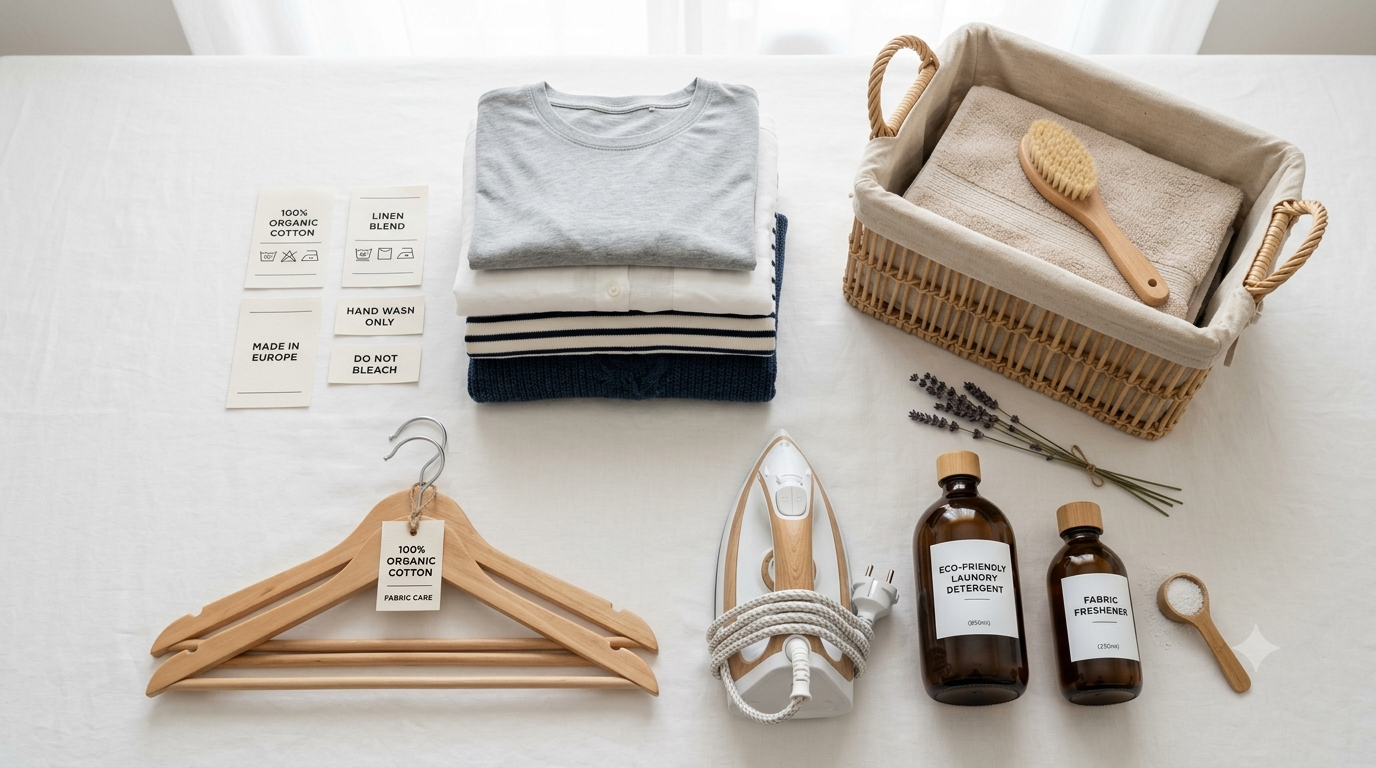
Clothes Care Tips an investment, whether they are everyday basics, office wear, or special occasion outfits. Proper clothing care not only keeps your wardrobe looking fresh but also saves money by reducing the need for frequent replacements. Many garments lose their color, shape, or softness simply because they are washed, dried, or stored incorrectly. By following a few simple clothing care habits, you can significantly extend the life of your favorite outfits while keeping them looking stylish for years.
Taking care of your clothes is also an environmentally responsible choice. The fashion industry produces millions of garments every year, and extending the lifespan of clothing helps reduce textile waste and supports a more sustainable lifestyle. Whether your wardrobe consists of cotton shirts, wool sweaters, denim jeans, or delicate dresses, understanding proper care techniques makes a noticeable difference in their durability.
Understanding Fabric Care Labels
One of the easiest ways to protect your clothing is by reading the care label before washing or drying. Every garment comes with instructions that explain the safest way to clean and maintain the fabric. Ignoring these labels can lead to shrinking, fading, stretching, or permanent damage.
Natural fabrics like cotton and linen are generally easy to care for but may shrink if washed in hot water. Wool and cashmere require extra attention because they can lose their shape when exposed to excessive heat or harsh detergents. Delicate fabrics such as silk should often be hand-washed or professionally dry-cleaned to preserve their texture and appearance.
Using the correct washing temperature is equally important. Cold water is suitable for most everyday clothing because it helps maintain fabric strength and prevents colors from fading. Hot water should only be used when recommended for heavily soiled items or specific fabric types.
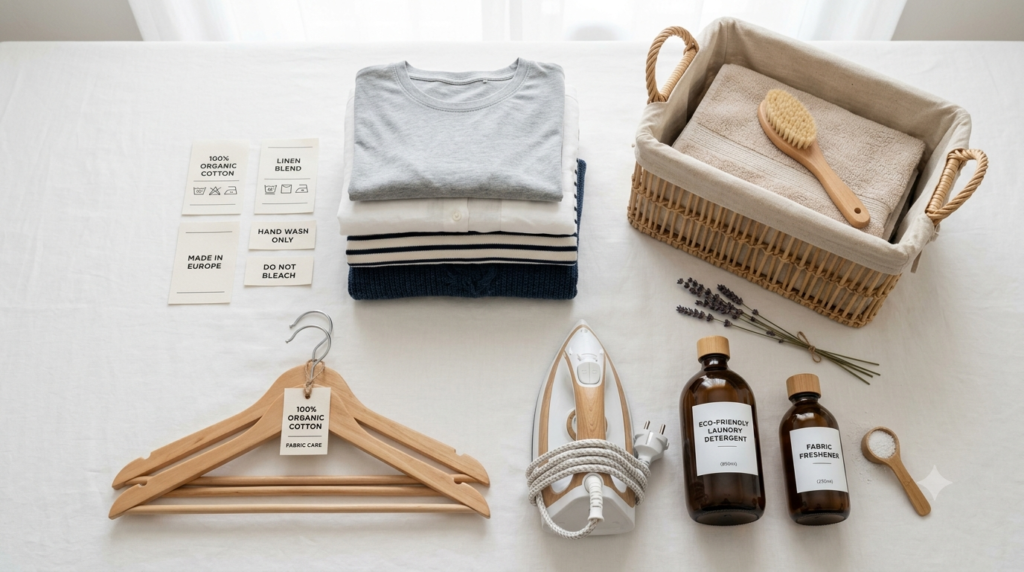
Understanding these simple care symbols allows you to clean your clothes safely while preserving their quality over time.
Washing Clothes the Right Way
Proper washing techniques are essential for maintaining the appearance and durability of your wardrobe. Overwashing can cause fabrics to wear out faster, so clothing should only be washed when necessary rather than after every wear.
Sorting laundry before washing is one of the most effective ways to prevent damage. Separate white clothing from dark colors to avoid color transfer, and wash delicate fabrics separately from heavy garments such as jeans or towels.
Turning clothes inside out before washing helps protect printed designs, embroidery, and fabric surfaces from friction. Using a mild detergent instead of harsh chemicals also helps maintain softness while reducing fiber damage.
Avoid overloading the washing machine because clothes need enough space to move freely during the wash cycle. Overcrowding increases friction between garments, leading to wrinkles, fading, and unnecessary wear.
For delicate garments, using mesh laundry bags provides additional protection by reducing stretching and snagging during washing.
Drying and Ironing”Clothes Care Tips” Without Damaging Fabrics
The drying process has a significant impact on the lifespan of your clothing. High heat from tumble dryers can weaken fabric fibers, shrink garments, and reduce elasticity over time. Whenever possible, air drying remains the safest option for preserving clothing quality.
Hang shirts, dresses, and lightweight garments on proper hangers to maintain their shape. Sweaters made from wool or cashmere should be dried flat on a clean towel to prevent stretching caused by their own weight.
Direct sunlight can fade bright colors, so drying clothes in shaded, well-ventilated areas helps preserve their original appearance. Indoor drying racks work particularly well for delicate fabrics that require gentle handling.
Ironing should always follow the recommended temperature for each fabric type. Cotton can tolerate higher heat, while silk and synthetic materials require much lower temperatures. Steam irons often remove wrinkles more effectively while reducing the risk of scorching delicate fabrics.
If garments only have minor wrinkles, steaming or hanging them in a bathroom during a warm shower can refresh them without excessive heat.
Smart Storage Keeps”Clothes Care Tips” Clothes Looking New
Proper storage plays an important role in maintaining clothing quality between wears. Even perfectly cleaned garments can become damaged if stored incorrectly.
Use sturdy hangers for blazers, jackets, dresses, and shirts to help maintain their natural shape. Heavy knitwear and sweaters should be folded instead of hung because hanging may stretch the shoulders over time.
Keep your wardrobe clean, dry, and well-ventilated to prevent moisture, mildew, and unpleasant odors. Using breathable garment bags protects formal clothing from dust while allowing air circulation.
Seasonal clothing should be washed before being stored for long periods. Clean garments are less likely to attract insects or develop stains during storage. Cotton storage bags are preferable to plastic covers because they reduce moisture buildup.
Adding cedar blocks or lavender sachets inside wardrobes provides natural protection against insects while keeping clothes fresh.
Building Long-Lasting Clothing Care Habits
Small daily habits often make the biggest difference in extending the life of your wardrobe. Rotating clothing instead of wearing the same items repeatedly gives fabrics time to recover and reduces excessive wear.
Repairing loose buttons, small tears, or broken zippers immediately prevents minor problems from becoming expensive replacements. Learning basic sewing skills can save both time and money while extending garment life.
Avoid exposing clothing to unnecessary friction from rough surfaces, heavy bags, or sharp accessories that may damage delicate fabrics. Removing stains as soon as possible also prevents permanent discoloration.
Choosing quality garments made from durable materials provides better long-term value than constantly replacing lower-quality clothing. Well-made fabrics retain their appearance, shape, and comfort even after years of proper care.
Most importantly, treat your wardrobe with care rather than rushing through laundry or storage routines. A few extra minutes spent maintaining your clothing today can keep your favorite outfits looking elegant for many seasons to come.
Final Thoughts
Clothes Care Tips your clothes is one of the simplest ways to protect your wardrobe investment while reducing unnecessary waste. By following fabric care labels, washing garments correctly, drying them gently, storing them properly, and repairing small issues early, you can significantly increase the lifespan of your clothing.
Good clothing care is not complicated—it simply requires consistency. Over time, these simple habits help maintain color, shape, softness, and overall appearance, allowing your favorite pieces to remain stylish year after year.
A well-maintained wardrobe not only looks better but also supports sustainable fashion by encouraging thoughtful consumption and reducing textile waste. With proper care, every garment has the potential to stay comfortable, fashionable, and reliable for much longer than expected