
Arthritis is one of the most common chronic health conditions affecting people worldwide. The term “arthritis” literally means “joint inflammation,” but it is used to describe a wide range of conditions that affect the joints and surrounding tissues. These conditions can lead to pain, stiffness, swelling, and reduced movement, significantly impacting a person’s quality of life. While arthritis is often associated with older adults, it can affect people of all ages, including children and young adults.
What is Arthritis?
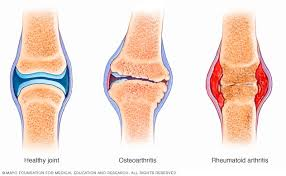
Arthritis is not a single disease but a group of more than 100 different joint disorders. It primarily affects the joints, which are the points where two or more bones meet, such as the knees, hips, elbows, and fingers. In healthy joints, cartilage cushions the bones and allows smooth movement. In arthritis, this cartilage may wear away or become damaged, causing pain and stiffness.
Types of Arthritis
There are many types of arthritis, but the most common ones include:
1. Osteoarthritis (OA)
Osteoarthritis is the most common type of arthritis. It occurs due to the gradual wear and tear of cartilage over time. As the cartilage breaks down, bones begin to rub against each other, leading to pain, swelling, and reduced flexibility. It mainly affects older adults but can also occur in younger individuals due to injury or overuse.
2. Rheumatoid Arthritis (RA)
Rheumatoid arthritis is an autoimmune disease, meaning the body’s immune system mistakenly attacks its own joints. This leads to inflammation in the joint lining, causing pain, swelling, and eventually joint deformity. RA can affect multiple joints at once and may also impact other organs.
3. Gout
Gout is caused by the accumulation of uric acid crystals in the joints. It often affects the big toe but can occur in other joints as well. Gout attacks are sudden and extremely painful, often accompanied by redness and swelling.
4. Psoriatic Arthritis
This type of arthritis occurs in people who have psoriasis, a skin condition. It causes joint pain, stiffness, and swelling, along with skin symptoms like red patches and scales.
Causes of Arthritis
The causes of arthritis vary depending on the type, but some common factors include:
- Age: The risk increases as people grow older.
- Genetics: A family history of arthritis may increase the likelihood of developing the condition.
- Injury: Previous joint injuries can lead to arthritis later in life.
- Autoimmune disorders: Conditions like RA occur when the immune system attacks healthy tissues.
- Lifestyle factors: Obesity, poor diet, and lack of exercise can contribute to arthritis.
- Infections: Some infections can trigger arthritis.
Symptoms of Arthritis
The symptoms of arthritis can vary from person to person and depend on the type of arthritis. However, common symptoms include:
- Persistent joint pain
- Swelling and inflammation
- Stiffness, especially in the morning or after inactivity
- Reduced range of motion
- Redness and warmth around joints
- Fatigue (especially in autoimmune types like RA)
In severe cases, arthritis can lead to joint deformities and disability.
Risk Factors
Several factors increase the risk of developing arthritis:
- Age: Older adults are more likely to develop arthritis.
- Gender: Women are more likely to develop rheumatoid arthritis, while men are more prone to gout.
- Obesity: Excess weight puts extra pressure on joints, especially the knees and hips.
- Occupation: Jobs that involve repetitive motion or heavy lifting can increase risk.
- Lifestyle: Lack of physical activity and unhealthy habits contribute to joint problems.
Diagnosis of Arthritis
Early diagnosis is important for managing arthritis effectively. Doctors use several methods to diagnose the condition:
- Physical Examination: Checking for swelling, tenderness, and range of motion.
- Blood Tests: To detect inflammation or autoimmune markers.
- Imaging Tests: X-rays, MRI, or CT scans to assess joint damage.
- Joint Fluid Analysis: Used in cases like gout to detect uric acid crystals.
Treatment and Management
Although arthritis cannot always be cured, it can be managed effectively through a combination of treatments:
1. Medications
Doctors may prescribe:
- Pain relievers (e.g., paracetamol)
- Nonsteroidal anti-inflammatory drugs (NSAIDs)
- Corticosteroids
- Disease-modifying antirheumatic drugs (DMARDs) for RA
2. Physical Therapy
Physical therapy helps strengthen muscles around joints, improve flexibility, and reduce pain. Exercises are tailored to the individual’s condition.
3. Lifestyle Changes
Adopting a healthy lifestyle plays a major role in managing arthritis:
- Regular exercise such as walking, swimming, or yoga
- Maintaining a healthy weight
- Eating a balanced diet rich in fruits, vegetables, and omega-3 fatty acids
4. Home Remedies
Some simple home treatments can provide relief:
- Applying hot or cold packs
- Gentle stretching exercises
- Resting affected joints
- Using supportive devices like braces
5. Surgery
In severe cases, surgery may be required. Options include:
- Joint repair
- Joint replacement (such as knee or hip replacement)
Prevention of Arthritis
While not all types of arthritis can be prevented, certain steps can reduce the risk:
- Stay physically active
- Maintain a healthy body weight
- Protect joints from injury
- Eat a nutritious diet
- Avoid smoking and excessive alcohol consumption
Impact on Daily Life
Arthritis can significantly affect a person’s daily activities. Simple tasks such as walking, writing, or climbing stairs may become difficult. Chronic pain can also lead to emotional challenges like stress, anxiety, and depression. Therefore, managing arthritis requires not only physical treatment but also emotional support.
Living with Arthritis
Living with arthritis requires patience, awareness, and proper care. Individuals can improve their quality of life by:
- Following medical advice
- Staying active without overexertion
- Joining support groups
- Practicing stress management techniques like meditation
With proper treatment and lifestyle adjustments, many people with arthritis lead active and fulfilling lives.
Conclusion
Arthritis is a widespread condition that affects people of all ages and backgrounds. Although it can cause pain and limit movement, early diagnosis and proper management can greatly improve quality of life. Understanding the causes, symptoms, and treatment options is essential for controlling the condition. By adopting a healthy lifestyle, seeking timely medical care, and staying informed, individuals can successfully manage arthritis and continue to live productive lives.