
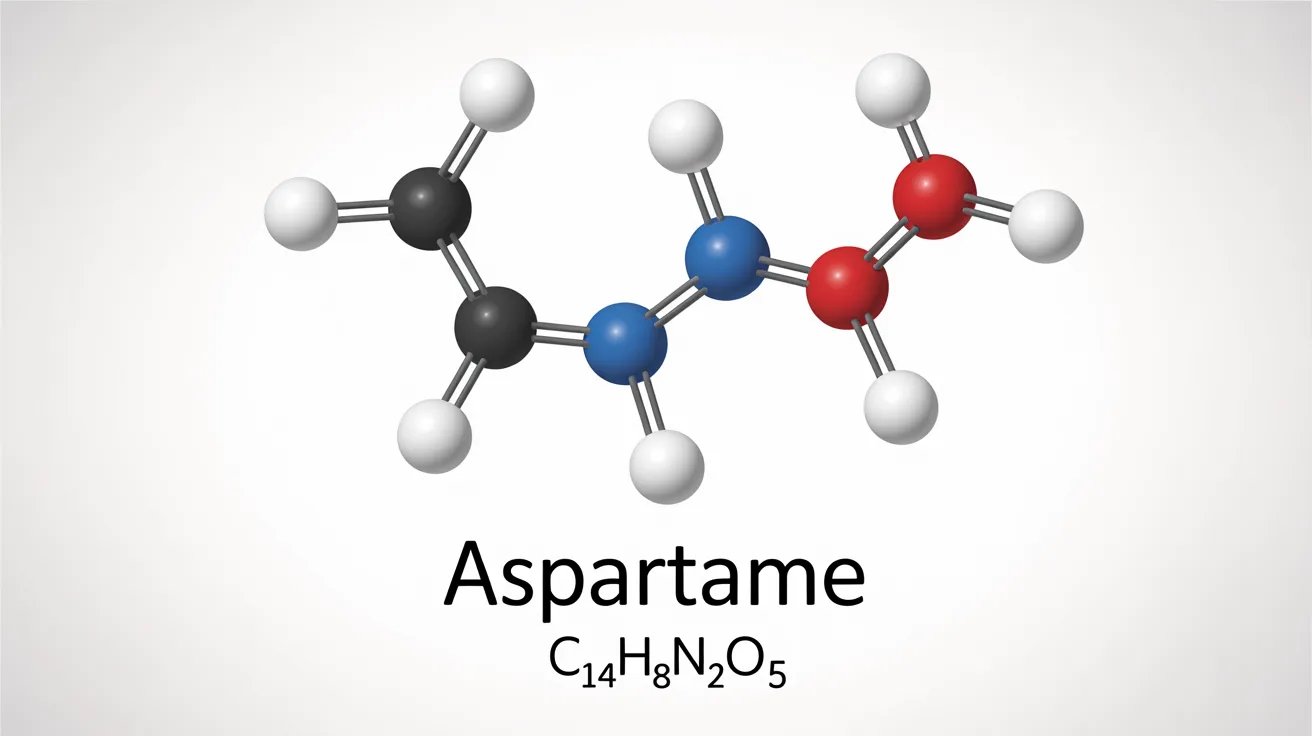
Aspartame is one of the most widely used artificial sweeteners in the world. It is commonly found in diet sodas, sugar free chewing gum, low calorie desserts, and many processed foods. Because it provides sweetness without adding significant calories, aspartame has become a popular alternative to sugar for people who want to reduce their sugar intake or manage their weight.
However, over the years, aspartame has also been the subject of scientific debate and public discussion regarding its safety and health effects. Understanding what aspartame is, how it is used, and what research says about it can help people make informed decisions about their diet.
What is Aspartame
Aspartame is a low calorie artificial sweetener that is about 200 times sweeter than regular sugar. Because it is so sweet, only a very small amount is needed to sweeten foods and beverages. Chemically, aspartame is made from two amino acids, aspartic acid and phenylalanine. Amino acids are natural components of proteins that are commonly found in many foods.
Aspartame was discovered in 1965 by a chemist named James Schlatter while he was working on a pharmaceutical project. During his research, he accidentally tasted the compound and noticed its intense sweetness. Later, it was studied extensively and eventually approved for use as a sweetener in many countries around the world.
Where Aspartame is Used
Aspartame is widely used in many food and beverage products. Because it contains very few calories and provides strong sweetness, it is often used in products that are labeled as “diet,” “light,” or “sugar free.”
Common products that contain aspartame include:
Diet soft drinks
Sugar free chewing gum
Low calorie yogurt
Sugar free desserts
Protein powders
Flavored water drinks
Breakfast cereals
Tabletop sweeteners
Aspartame is also sometimes used in pharmaceutical products such as cough syrups and chewable vitamins to improve taste.
One important property of aspartame is that it is not stable at very high temperatures. This means it is not usually used in baking or cooking where heat is required. Instead, it is commonly used in cold foods and beverages.
Why Aspartame is Popular
Aspartame became popular mainly because it allows people to enjoy sweet tasting foods without consuming large amounts of sugar. This is especially helpful for individuals who want to control their calorie intake.
There are several reasons why aspartame is widely used:
Low calorie content
Since only a small amount is needed, the calorie contribution is very low compared to sugar.
Weight management
Many people trying to lose weight choose diet beverages and foods that contain artificial sweeteners like aspartame.
Diabetes management
Aspartame does not raise blood glucose levels in the same way as sugar. This makes it a useful option for people with diabetes who need to manage their blood sugar levels.
Taste similarity to sugar
Compared with some other artificial sweeteners, aspartame has a taste that is closer to natural sugar.
How Aspartame is Processed in the Body
When a person consumes aspartame, the body breaks it down into three components:
Aspartic acid
Phenylalanine
Methanol
These substances are absorbed and metabolized by the body. Aspartic acid and phenylalanine are amino acids that are already present in many common foods such as meat, dairy products, and vegetables.
Methanol is also produced naturally when people eat fruits and vegetables. The amount of methanol produced from aspartame is very small compared to the amount obtained from natural foods like fruit juice.
Because of these factors, many scientists state that the breakdown products of aspartame are not unusual for the human body.
Safety Evaluations by Health Organizations
Aspartame has been studied extensively for several decades. Major health organizations around the world have evaluated its safety.
Some organizations that have reviewed aspartame include:
World Health Organization
Food and Drug Administration in the United States
European Food Safety Authority
Health Canada
These organizations have concluded that aspartame is safe for consumption within recommended limits. The acceptable daily intake level is typically set at about 40 milligrams per kilogram of body weight per day in many regions.
For example, an average adult would have to consume a very large number of diet drinks in one day to reach this limit.
Health Concerns and Controversies
Despite approval from regulatory agencies, aspartame has been the subject of ongoing public debate. Some studies and media reports have suggested possible links between aspartame and health problems.
Some concerns that have been discussed include:
Headaches
Some individuals report headaches after consuming products containing aspartame. However, scientific evidence on this topic is mixed.
Cancer risk
In the past, some animal studies raised questions about a possible link between aspartame and cancer. Large reviews by health authorities have generally concluded that current evidence does not show a clear link between normal consumption of aspartame and cancer.
Neurological effects
There have been discussions about whether aspartame may affect the nervous system. Most scientific evaluations have found no consistent evidence of harmful neurological effects at normal consumption levels.
Because research continues, scientists and regulatory agencies regularly review new studies to monitor potential health effects.
People Who Should Avoid Aspartame
Although aspartame is considered safe for most people, there is one specific group that must avoid it.
People with a rare genetic disorder called phenylketonuria cannot properly metabolize phenylalanine. Because aspartame contains phenylalanine, individuals with this condition must avoid foods and beverages containing aspartame.
For this reason, products that contain aspartame usually include a warning label stating that they contain phenylalanine.
Aspartame and Weight Control
One of the main reasons people use aspartame is to reduce calorie intake. Replacing sugary drinks with diet versions can significantly reduce the number of calories consumed in a day.
However, some researchers have suggested that artificial sweeteners might affect appetite or food preferences. Some studies suggest that sweet taste without calories may increase cravings for sweet foods. Other studies show that replacing sugar with artificial sweeteners may help reduce overall calorie consumption.
Because of these mixed findings, nutrition experts often recommend moderation and balanced dietary habits.
Alternatives to Aspartame
In addition to aspartame, several other sweeteners are available on the market. Some people prefer these alternatives for personal or dietary reasons.
Common alternatives include:
Stevia
Sucralose
Saccharin
Monk fruit sweetener
Acesulfame potassium
Natural sweeteners such as honey and maple syrup are also used, although they still contain calories.
Each sweetener has different taste characteristics, stability properties, and health considerations.
The Future of Artificial Sweeteners
As concerns about sugar consumption continue to grow, artificial sweeteners are likely to remain an important part of the food industry. Excessive sugar intake is associated with obesity, diabetes, and other health problems. Because of this, many governments and health organizations encourage reducing sugar consumption.
Food manufacturers continue to develop new sweeteners and improve existing ones to provide better taste and safety. Research on artificial sweeteners also continues in order to better understand their long term health effects.
Conclusion
Aspartame is one of the most widely used artificial sweeteners and has played an important role in providing low calorie alternatives to sugar. It is used in many foods and beverages, especially diet products that are designed for people who want to reduce sugar intake. Scientific studies and health organizations generally agree that aspartame is safe when consumed within recommended limits.
However, like many food ingredients, it has also been the subject of debate and ongoing research. While most people can safely consume aspartame, individuals with phenylketonuria must avoid it due to its phenylalanine content.
Overall, understanding what aspartame is and how it works allows consumers to make informed choices about their diet. Balanced nutrition, moderation, and awareness of food ingredients remain key factors in maintaining good health.