
Aspirin is one of the most widely used medications in the world. It has been used for over a century to relieve pain, reduce fever, and decrease inflammation. In addition to these common uses, aspirin plays an important role in preventing serious medical conditions such as heart attacks and strokes. Due to its effectiveness and affordability, aspirin is considered an essential medicine in healthcare systems worldwide.
What is Aspirin?
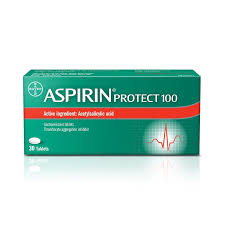
Aspirin, also known as acetylsalicylic acid, belongs to a group of drugs called nonsteroidal anti-inflammatory drugs (NSAIDs). It works by blocking the production of certain chemicals in the body called prostaglandins, which are responsible for pain, inflammation, and fever.
Aspirin is available in various forms, including tablets, chewable tablets, and enteric-coated tablets that dissolve in the intestine to reduce stomach irritation.
History of Aspirin
The origins of aspirin date back to ancient times when people used extracts from willow bark to relieve pain and fever. In the late 19th century, scientists developed a purified form of this compound, leading to the creation of aspirin as we know it today. Since then, it has become one of the most important and commonly used medicines worldwide.
Uses of Aspirin
Aspirin is used for a variety of medical purposes:
1. Pain Relief
Aspirin is commonly used to relieve mild to moderate pain such as:
- Headaches
- Toothaches
- Muscle pain
- Menstrual cramps
2. Fever Reduction
It helps lower body temperature during fever by affecting the brain’s temperature-regulating center.
3. Anti-inflammatory Effects
Aspirin reduces inflammation in conditions such as:
- Arthritis
- Sprains and injuries
4. Heart Health
Low-dose aspirin is often prescribed to prevent blood clots. It reduces the risk of:
- Heart attacks
- Strokes
- Certain cardiovascular diseases
How Aspirin Works
Aspirin works by inhibiting an enzyme called cyclooxygenase (COX). This enzyme is involved in the production of prostaglandins and thromboxanes.
- Reduced prostaglandins → less pain and inflammation
- Reduced thromboxane → prevents blood clot formation
This dual action makes aspirin useful for both pain relief and cardiovascular protection.
Dosage and Administration
The dosage of aspirin depends on its use:
- For pain or fever: Usually 300–600 mg every 4–6 hours (as advised by a doctor)
- For heart protection: Low doses (75–100 mg daily)
Important guidelines:
- Take aspirin with food or water to reduce stomach irritation
- Do not exceed recommended doses
- Follow medical advice, especially for long-term use
Side Effects of Aspirin
While aspirin is generally safe when used correctly, it can cause side effects, including:
Common Side Effects
- Stomach upset
- Nausea
- Heartburn
Serious Side Effects
- Stomach ulcers or bleeding
- Allergic reactions
- Ringing in the ears (tinnitus)
- Increased risk of bleeding
Long-term use without medical supervision can increase the risk of serious complications.
Precautions and Warnings
Certain groups of people should use aspirin with caution:
1. Children and Teenagers
Aspirin should not be given to children with viral infections due to the risk of Reye’s syndrome, a rare but serious condition.
2. Pregnant Women
Aspirin should only be used during pregnancy if prescribed by a doctor, especially avoiding it in the later stages.
3. People with Medical Conditions
Avoid or consult a doctor if you have:
- Stomach ulcers
- Bleeding disorders
- Asthma (in some cases)
- Liver or kidney disease
4. Drug Interactions
Aspirin may interact with other medications such as:
- Blood thinners
- Other NSAIDs
- Certain blood pressure medicines
Benefits of Aspirin
Despite its risks, aspirin offers several important benefits:
- Effective and affordable pain relief
- Reduces inflammation
- Prevents blood clots
- Lowers risk of heart attack and stroke in high-risk individuals
- Widely available and easy to use
Aspirin in Modern Medicine
Today, aspirin continues to play a significant role in medical treatment. It is often prescribed for patients with cardiovascular disease and is included in many emergency treatments for heart attack symptoms. Researchers are also studying its potential role in preventing certain types of cancer, although more research is needed.
Misuse and Overdose
Taking too much aspirin can be dangerous and lead to overdose, also known as salicylate poisoning.
Symptoms of Overdose
- Vomiting
- Rapid breathing
- Confusion
- Severe dizziness
In such cases, immediate medical attention is required.
Prevention of Side Effects
To minimize risks:
- Always follow the recommended dose
- Avoid alcohol while taking aspirin
- Use enteric-coated tablets if you have a sensitive stomach
- Consult a doctor before long-term use
Conclusion
Aspirin is a powerful and versatile medication that has been used for generations. Its ability to relieve pain, reduce inflammation, and prevent serious cardiovascular events makes it an essential drug in modern medicine. However, like all medications, it must be used carefully and responsibly. Understanding its uses, benefits, and risks can help individuals use aspirin safely and effectively.