
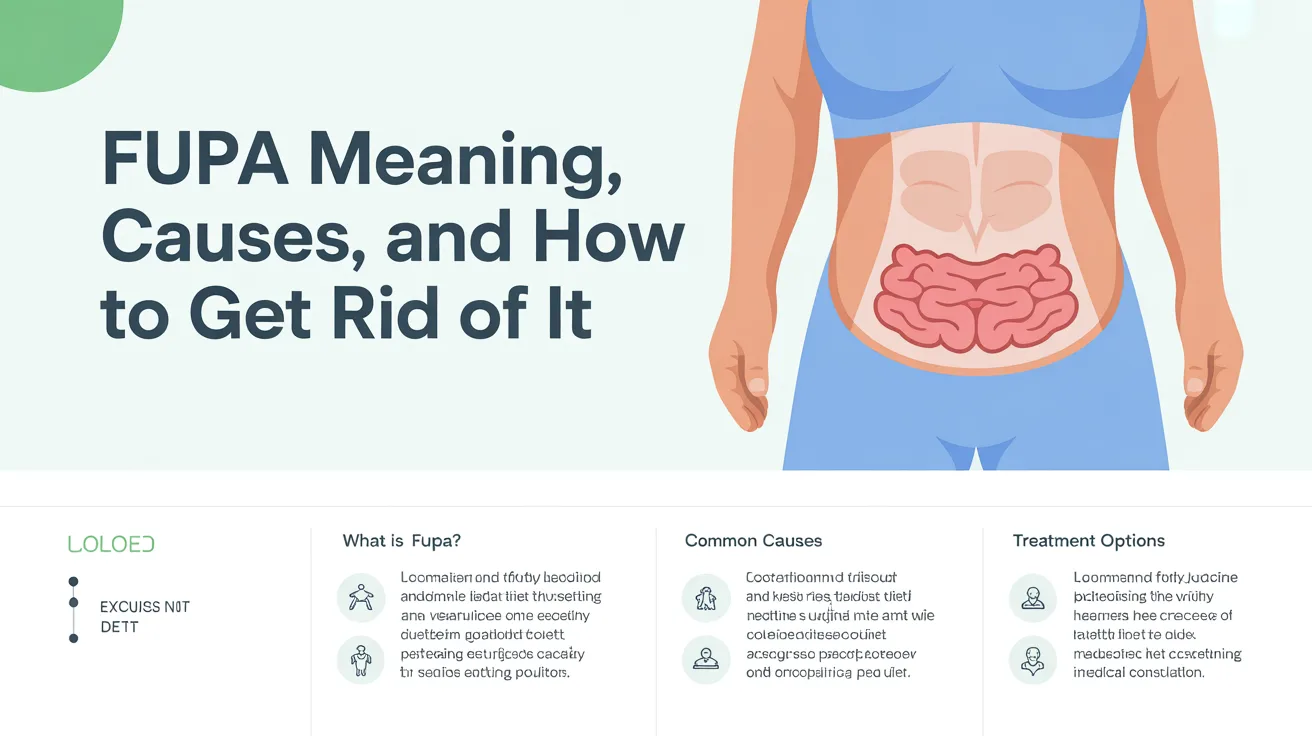
FUPA stands for Fat Upper Pubic Area, which refers to the extra fat that collects just above the pubic bone and below the lower abdomen. It is a very common body condition and can happen to both men and women. Many people notice it as a small pouch or bulge in the lower belly area.
This fat appears in the area between your lower stomach and the top of your genital region. It may become more visible when wearing tight clothes or after weight gain. In some cases, it can also develop after pregnancy, due to hormonal changes, or simply because of natural body structure.
FUPA is usually normal and not a serious health problem. For most people, it is only a cosmetic concern, not a medical issue. However, if it is linked with overall weight gain or obesity, it may be a sign to improve lifestyle habits like diet and exercise.
What Does FUPA Stand For?
FUPA stands for Fat Upper Pubic Area, which refers to the layer of fat located just above the pubic bone and below the lower abdomen. It is a commonly used informal term, but the condition itself is a normal part of body fat distribution and can vary from person to person.
In everyday language, FUPA is often used as slang, especially on social media, and sometimes people use it in a negative or joking way. However, from a medical or scientific point of view, it is simply subcutaneous fat stored in the lower abdominal region, and there is nothing unusual about it. Doctors usually do not use the term “FUPA” but instead describe it as lower abdominal or pelvic fat.
It is also important to understand the difference between FUPA and lower belly fat. FUPA is specifically the fat directly above the pubic area, while lower belly fat refers to a broader area of fat in the entire lower abdomen. So, all FUPA is part of lower belly fat, but not all lower belly fat is FUPA.
What Causes FUPA?
FUPA mainly develops due to a mix of body fat storage and lifestyle factors. The most common reason is weight gain, where the body stores extra fat in different areas, including the lower abdomen. Everyone’s body stores fat differently, so some people naturally notice more fat in this region.
Hormonal changes, especially in women, also play a big role. Changes during puberty, pregnancy, or menopause can affect how fat is distributed in the body. After pregnancy, many women experience postpartum body changes, where the lower belly area becomes softer or stores more fat. In addition, aging reduces skin elasticity, making this area appear more prominent over time.
Other factors include genetics and body type, which decide where your body stores fat naturally. A sedentary lifestyle and poor diet can further increase fat accumulation in this area. Lack of physical activity, combined with high-calorie or processed foods, makes it easier for FUPA to develop and harder to reduce.
FUPA in Females vs Males
FUPA can occur in both men and women, but it is more common in women due to natural body structure and fat storage patterns. Women’s bodies are designed to store more fat in the lower abdomen and pelvic area, which supports reproductive functions. This is why the Fat Upper Pubic Area is often more noticeable in females compared to males.
One major reason is hormonal and anatomical differences. Female hormones like estrogen encourage fat storage in the lower body, including hips, thighs, and the pubic area. In contrast, men typically store fat around the upper abdomen (belly), not as much in the lower pelvic region. This difference in fat distribution explains why FUPA appears differently between genders.
Another important factor is the impact of childbirth. During pregnancy, the body stretches and stores extra fat to support the baby. After delivery, this area may not fully return to its previous shape, leading to a visible FUPA. Hormonal changes and weakened abdominal muscles after childbirth can also make it more noticeable in women.
Is FUPA Dangerous?
In most cases, FUPA is not dangerous and is simply a cosmetic concern. It is a normal part of how the body stores fat, especially in the lower abdomen. Many people have it, and it does not cause any direct health problems on its own.
However, you should pay attention if there are unusual symptoms like pain, swelling, hardness, or sudden changes in that area. These could indicate a medical issue such as infection, hernia, or other conditions, and it is better to consult a doctor in such cases.
FUPA can sometimes be linked to overall weight gain or obesity, which may increase the risk of lifestyle diseases like diabetes, heart problems, or high blood pressure. So while FUPA itself is not harmful, it can be a sign that improving diet, exercise, and overall health may be beneficial.
How to Get Rid of FUPA
Diet and Nutrition
To reduce FUPA, the most important step is maintaining a calorie deficit, which means eating fewer calories than your body uses. This helps your body burn stored fat over time. Focus on healthy foods like vegetables, fruits, lean proteins, and whole grains, as they support fat loss and overall health. At the same time, avoid processed foods, sugary drinks, and junk food, because they increase fat storage, especially in the lower abdomen.
Exercises to Reduce FUPA
Exercise plays a key role in reducing overall body fat. Cardio activities like walking, running, and cycling help burn calories and improve fitness. Along with this, core strengthening exercises such as planks and crunches help tighten the abdominal area. You can also include lower abdominal workouts like leg raises and mountain climbers to target the lower belly region more effectively.
Lifestyle Changes
Healthy daily habits make a big difference. Getting enough sleep and managing stress helps control hormones that affect fat storage. Drinking enough water is important, as hydration supports metabolism and reduces bloating. Increasing your daily activity, like walking more or staying active throughout the day, also helps in reducing fat gradually.
Best Exercises for FUPA Reduction
To reduce FUPA, you need exercises that help burn overall fat and strengthen your core. These exercises are simple, effective, and can be done at home or in the gym.
- Leg Raises:
This exercise targets the lower abdominal area. Lie on your back, keep your legs straight, and slowly lift them up and down. It helps tighten the lower belly region. - Plank Variations:
Planks strengthen your entire core. You can try basic plank, side plank, or forearm plank. Holding this position improves stability and burns fat over time. - Mountain Climbers:
A fast-paced exercise that combines cardio and core work. It helps burn calories quickly while engaging the lower abdomen. - Bicycle Crunches:
This exercise works both upper and lower abs. Moving your legs like cycling while crunching improves core strength and helps tone the belly area. - Squats and Lunges:
These are full-body exercises that boost fat burning. While they mainly target legs, they also help reduce overall body fat, which is important for FUPA reduction.
Can You Lose FUPA Without Surgery?
Yes, you can lose FUPA without surgery by focusing on natural fat loss. The body burns fat as a whole, not from one specific area, so with a proper combination of healthy diet, regular exercise, and active lifestyle, the fat in the FUPA area will gradually reduce over time.
However, it is important to have realistic expectations. FUPA does not disappear overnight. Depending on your body and routine, it may take weeks to months to see noticeable changes. Slow and steady progress is more effective and long-lasting than trying quick or extreme methods.
The key factor is consistency. Following a regular routine, staying patient, and maintaining healthy habits every day will give the best results. With time and dedication, you can reduce FUPA naturally and improve overall body fitness.
Medical and Cosmetic Treatments
If natural methods like diet and exercise are not enough, some people choose medical or cosmetic treatments to reduce FUPA. These options can give faster or more visible results, but they should always be considered carefully.
- Liposuction:
A surgical procedure where fat is removed directly from the targeted area. It gives quick results but requires recovery time and proper medical consultation. - CoolSculpting (Fat Freezing):
A non-surgical treatment that freezes fat cells, which are then naturally removed by the body over time. It is less invasive but results appear gradually. - Tummy Tuck (Abdominoplasty):
A surgical procedure that removes excess fat and loose skin, especially useful after pregnancy or major weight loss. It also tightens abdominal muscles. - Skin Tightening Procedures:
Non-surgical treatments that improve skin firmness and reduce sagging in the lower abdomen area.
How Long Does It Take to Lose FUPA?
Losing FUPA takes time and depends on several important factors. Your body type, metabolism, diet, exercise routine, and consistency all play a role in how fast you lose fat. People who follow a healthy diet and stay active regularly will see results faster compared to those with an inconsistent routine.
A realistic timeline is usually between a few weeks to a few months. Since fat loss does not happen in just one specific area, your body will gradually lose fat overall, including the FUPA region. Slow and steady progress is better and more sustainable than trying quick methods.
Many people make mistakes that slow down progress. Common issues include crash dieting, skipping workouts, lack of consistency, and expecting instant results. These habits can reduce effectiveness and sometimes even lead to gaining weight again. Staying patient and consistent is the key to long-term success.
Tips to Reduce FUPA Faster
Reducing FUPA faster requires a balanced and consistent approach. The best results come when you combine diet and exercise, because both work together to burn fat and improve body shape. Focus on healthy eating along with regular workouts.
It is important to avoid crash diets, as they may give quick results but are not sustainable and can harm your health. Instead, follow a steady and healthy plan. You should also track your progress, such as weight, body measurements, or fitness levels, to stay motivated and see improvements over time.
Most importantly, stay consistent. Regular effort, even if small, will give better long-term results than doing things irregularly.
Common Mistakes People Make
Many people struggle to reduce FUPA because of common mistakes. One major myth is spot reduction, where people think they can lose fat from only one area, which is not true. Fat loss happens across the whole body.
Another mistake is ignoring diet and focusing only on exercise. Without proper nutrition, results will be slow. Inconsistent workouts also reduce progress, as the body needs regular activity to burn fat.
Lastly, having unrealistic expectations can lead to frustration. FUPA reduction takes time, so patience and consistency are key for real and lasting results.
FUPA After Pregnancy
FUPA after pregnancy is very common and happens due to natural changes in the body. During pregnancy, the body stores extra fat to support the baby, and the abdominal area stretches. After delivery, this area may remain soft or slightly enlarged due to fat accumulation, stretched skin, and weakened abdominal muscles.
To reduce postpartum fat safely, it is important to start with gentle exercises like walking and light core strengthening (after medical approval). A balanced diet with healthy nutrients also helps in gradual fat loss. Avoid intense workouts immediately after delivery, as the body needs time to heal.
The most important thing is gradual recovery. The body does not return to normal overnight, and forcing quick weight loss can be harmful. With patience, proper care, and consistency, the body slowly recovers, and FUPA can reduce over time.
Psychological and Body Image Impact
FUPA can sometimes affect a person’s confidence, especially if they feel uncomfortable with their body shape. People may compare themselves with others or social media standards, which can lower self-esteem and create unnecessary stress.
There is also social pressure and stigma, where society often promotes unrealistic body images. This can make individuals feel judged or insecure, even though having fat in this area is completely normal.
That is why body positivity is very important. Everyone’s body is different, and accepting yourself while working on healthy habits is the best approach. Confidence comes from self-acceptance, not perfection.
When Should You See a Doctor?
In most cases, FUPA is normal and not a medical problem. However, you should consider seeing a doctor if you notice unusual symptoms that are not typical for simple fat storage.
If there is pain, swelling, hardness, or discomfort in the area, it could be a sign of another condition like infection, hernia, or inflammation. Also, if you experience sudden or rapid fat accumulation without any clear reason, it is important to get it checked.
Any other medical concerns, such as changes in skin, lumps, or ongoing discomfort, should not be ignored. A doctor can properly examine the issue and guide you if treatment or further testing is needed.
Conclusion
FUPA is a common condition mainly caused by factors like weight gain, hormonal changes, pregnancy, aging, and lifestyle habits. The good news is that it can be managed and reduced through the right combination of healthy diet, regular exercise, and consistent daily habits. While medical treatments are available, most people can see improvement naturally over time.
Maintaining a healthy lifestyle is the most important part. Eating balanced meals, staying active, getting enough sleep, and managing stress all play a key role in reducing body fat and improving overall health.
For long-term results, the best approach is to stay consistent and patient. There are no quick fixes, but with steady effort and a positive mindset, you can achieve lasting results and feel more confident in your body.
Frequently Asked Questions (FAQ)
Can FUPA go away naturally?
Yes, FUPA can reduce naturally with a combination of healthy diet, regular exercise, and consistent lifestyle habits. Since fat loss happens across the whole body, the FUPA area will gradually shrink over time.
What is the fastest way to lose FUPA?
The fastest healthy way is to combine calorie-controlled diet + cardio exercises + strength training. Avoid shortcuts like crash diets, as they are not sustainable and can harm your body.
Are there specific exercises for FUPA?
There are no exercises that target only FUPA, but core and lower abdominal exercises like leg raises, planks, and bicycle crunches help tone the area while overall fat loss reduces it.
Does walking reduce FUPA?
Yes, walking helps burn calories and supports overall fat loss. Regular walking combined with a good diet can gradually reduce FUPA.