
When choosing a car, one of the most common comparisons buyers encounter is sedan vs coupe. While both belong to the passenger car category, they differ significantly in design philosophy, practicality, and driving experience. Understanding these differences is essential if you want to make a smart and informed decision.
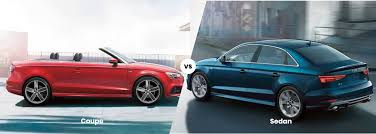
This in-depth guide explains everything you need to know about sedans and coupes, including their structure, performance, usability, and which one is best for your lifestyle.
Understanding the Basics
A sedan is traditionally defined as a four-door car with a three-box design. This means it has a separate compartment for the engine, passenger cabin, and trunk. Sedans are designed with practicality and comfort in mind, making them one of the most popular car types worldwide.
A coupe, on the other hand, is typically a two-door car with a sportier profile and a sloping roofline. Although modern automotive design has introduced four-door coupes, the traditional coupe still focuses on style and performance rather than practicality.
These basic structural differences influence nearly every aspect of how the vehicle looks, feels, and performs.
Design and Styling Philosophy
The most noticeable difference between sedans and coupes lies in their design. Sedans prioritize balance and functionality. Their shape is usually more upright, providing better headroom and interior space. The roofline is higher, and the doors are shorter, which makes entry and exit easier for passengers.
Coupes, in contrast, are designed to look dynamic and sporty. They often feature a lower roofline, longer doors, and a more aggressive stance. The sloping rear gives them a sleek and aerodynamic appearance, which appeals to buyers who value aesthetics.
Because of this design approach, coupes tend to stand out more on the road. They are often associated with luxury and performance, while sedans are viewed as practical and reliable.
Interior Space and Comfort
Interior space is one of the biggest deciding factors between a sedan and a coupe. Sedans are built to maximize passenger comfort. With four doors and a larger cabin, they offer more legroom and headroom, especially for rear-seat passengers.
In a sedan, getting in and out of the rear seats is simple and convenient. This makes it a better option for families, ride-sharing, or anyone who frequently carries passengers.
Coupes, on the other hand, sacrifice interior space for style. The rear seats are usually smaller and less comfortable, often suitable only for short trips or occasional use. Accessing the back seats requires folding the front seats forward, which can be inconvenient.
For drivers who mostly travel alone or with one passenger, this may not be an issue. However, for those who need space and flexibility, the sedan clearly has the advantage.
Performance and Driving Experience
Coupes are often associated with better performance, and there is some truth to this. Because they are typically lighter and have a more compact design, coupes can offer sharper handling and a more engaging driving experience.
They are often tuned for responsiveness, with sportier suspension systems and more powerful engine options. This makes them ideal for drivers who enjoy spirited driving or want a car that feels more connected to the road.
Sedans, while not necessarily slow, are usually tuned for comfort rather than performance. Their suspension systems are designed to absorb bumps and provide a smooth ride. This makes them better suited for long-distance travel and daily commuting.
That said, modern performance sedans have blurred the line between the two categories. Some sedans offer impressive acceleration and handling, rivaling traditional coupes in performance.
Practicality and Everyday Use
When it comes to practicality, sedans are the clear winner. Their four-door design makes them easier to use in everyday situations. Whether you are dropping off kids, picking up passengers, or loading groceries, a sedan offers greater convenience.
Sedans also tend to have larger trunks, making them more suitable for carrying luggage, shopping bags, or other items. Their design is focused on usability, which is why they are commonly used as family cars.
Coupes, by contrast, are less practical. The two-door layout can make daily tasks more cumbersome, especially if you frequently have passengers in the back. Cargo space is also typically smaller, limiting their usefulness for transporting larger items.
However, for individuals who prioritize style and do not require much space, these limitations may not matter.
Fuel Efficiency and Cost Considerations
Fuel efficiency can vary depending on the specific model and engine, but coupes often have a slight advantage due to their lighter weight and smaller size. This can result in better fuel economy, especially in city driving.
Sedans, being larger and heavier, may consume slightly more fuel. However, many modern sedans are designed with efficiency in mind and offer competitive fuel economy.
In terms of cost, sedans are generally more affordable. They are produced in larger numbers and are often marketed toward a broader audience. This makes them a cost-effective choice for many buyers.
Coupes, especially those with sporty or luxury features, can be more expensive. Their design and performance focus often place them in a higher price range.
Safety and Accessibility
Safety is another area where sedans often have an advantage. Their design allows for better visibility and easier access, which can contribute to safer driving conditions.
The four-door layout also makes it easier for passengers to enter and exit the vehicle quickly, which can be important in certain situations.
Coupes, with their longer doors and lower rooflines, may be slightly less convenient in this regard. However, modern safety technology has significantly improved the safety of both vehicle types.
Lifestyle and Target Audience
Choosing between a sedan and a coupe often comes down to lifestyle. Sedans are ideal for people who need a reliable, comfortable, and practical vehicle. They are well-suited for families, professionals, and anyone who values convenience.
Coupes, on the other hand, are often chosen by individuals who prioritize style and driving enjoyment. They appeal to younger drivers, car enthusiasts, and those who want a vehicle that makes a statement.
Your daily routine, passenger needs, and personal preferences will play a major role in determining which type of car is right for you.
Modern Trends and Blurred Lines
In recent years, the distinction between sedans and coupes has become less clear. Many manufacturers now offer “four-door coupes,” which combine the sleek design of a coupe with the practicality of a sedan.
These vehicles challenge traditional definitions and offer a blend of both worlds. However, they also tend to be more expensive, reflecting their premium positioning.
Despite these innovations, the fundamental differences between sedans and coupes remain relevant.
Final Verdict
The choice between a sedan and a coupe ultimately depends on what you value most in a vehicle. If you prioritize space, comfort, and practicality, a sedan is the better option. It offers versatility and ease of use, making it ideal for everyday driving.
If you are drawn to style, performance, and a more engaging driving experience, a coupe is the right choice. It delivers a sense of excitement and individuality that sedans often lack.
Both vehicle types have their strengths, and neither is inherently better than the other. The key is to choose the one that aligns with your needs, preferences, and lifestyle.