
When it comes to full-size SUVs, few vehicles dominate the segment like the Chevrolet Tahoe and Chevrolet Suburban. Both are flagship models from General Motors, designed to deliver power, space, and versatility. At a glance, they appear almost identical, sharing the same design language, engines, and features. However, a closer examination reveals meaningful differences that can significantly influence a buyer’s decision.
This comprehensive comparison explores every major aspect of these two SUVs, helping you determine which one fits your lifestyle and driving needs.
Heritage and Positioning
The Suburban holds a special place in automotive history, being one of the longest-running nameplates ever produced. It has built a reputation as a large, family-oriented SUV capable of handling long journeys and heavy loads. The Tahoe, introduced later, was designed to offer similar capabilities in a more compact and manageable size.
Both vehicles are built on the same platform and share many components, but their positioning is distinct. The Tahoe is aimed at buyers who want a full-size SUV without excessive bulk, while the Suburban is targeted at those who prioritize maximum space and utility.
Exterior Dimensions and Road Presence
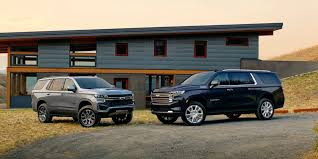
The most obvious difference between the Tahoe and Suburban is their size. The Suburban is significantly longer, which gives it a more commanding road presence. This extra length is not just for aesthetics—it directly impacts interior space and cargo capacity.
The Tahoe, while still large compared to midsize SUVs, is shorter and easier to handle in urban environments. Parking, turning, and navigating tight spaces are more manageable in the Tahoe.
On highways, both vehicles feel stable and composed, but the Suburban’s longer wheelbase can provide a smoother ride over long distances. However, that same length can make it less convenient in crowded areas.
Interior Space and Passenger Comfort
Inside, both SUVs are designed with comfort and practicality in mind. They offer three rows of seating and can accommodate up to eight or nine passengers, depending on the configuration.
The key difference lies in how that space is distributed. The Suburban provides significantly more legroom in the third row, making it a better choice for adults or taller passengers. In the Tahoe, the third row is comfortable for shorter trips but may feel cramped on long journeys.
Second-row seating is spacious in both models, with options for captain’s chairs or a bench seat. The overall cabin design is modern, featuring high-quality materials and a driver-focused layout.
For families or those who frequently travel with multiple passengers, the Suburban offers a clear advantage in comfort, especially on extended trips.
Cargo Capacity and Practicality
Cargo space is where the Suburban truly shines. Even with all seats in use, it offers a large amount of storage space, making it ideal for road trips, airport runs, or carrying bulky items.
With the third row folded down, the Suburban provides massive cargo capacity, rivaling some vans and trucks. This makes it an excellent choice for people who need maximum versatility.
The Tahoe also offers generous cargo space, but it cannot match the Suburban’s capacity. For everyday use, the Tahoe’s storage is usually sufficient, but for heavy-duty needs, the Suburban is the better option.
Engine Options and Performance
Both the Tahoe and Suburban share identical engine options, which means performance is largely the same. These typically include powerful V8 engines that deliver strong acceleration and impressive towing capability. A diesel engine option is also available for those seeking better fuel efficiency.
The driving experience is smooth and refined in both SUVs. They are designed for comfort rather than sporty handling, but they still provide confident performance on highways and open roads.
Because of its smaller size, the Tahoe may feel slightly more agile, especially in city driving. The Suburban, while equally powerful, feels larger and requires more attention when maneuvering.
Towing and Capability
Towing is a major strength of both SUVs. They are capable of hauling trailers, boats, and other heavy loads with ease. Their robust engines and sturdy construction make them reliable choices for towing tasks.
The Tahoe has a slight advantage in maneuverability when towing, as its shorter length makes it easier to control in tight spaces. The Suburban, while just as capable in terms of power, may require more room for turns and parking.
For most users, both vehicles provide more than enough towing capability, making this category less of a deciding factor.
Fuel Efficiency and Running Costs
Since both SUVs share the same engines, their fuel efficiency is similar. However, the Suburban’s larger size and weight can lead to slightly higher fuel consumption in real-world conditions.
The diesel engine option helps improve fuel economy for both models, making it an attractive choice for long-distance drivers.
In terms of maintenance and running costs, both vehicles are comparable. However, the Suburban may incur slightly higher costs due to its size and increased fuel usage.
Technology and Safety Features
Modern technology is a highlight of both the Tahoe and Suburban. They come equipped with large infotainment systems, digital instrument clusters, and advanced connectivity features such as smartphone integration.
Safety is also a priority, with features like lane-keeping assist, adaptive cruise control, automatic emergency braking, and parking assistance systems available.
Higher trims offer premium upgrades, including advanced sound systems, rear-seat entertainment, and luxury materials. Since both vehicles share the same platform, there is little difference in terms of technology and safety.
Pricing and Value Proposition
The Tahoe is generally more affordable than the Suburban, making it an attractive option for buyers who want a full-size SUV without the added cost of extra space.
The Suburban commands a higher price due to its larger size and increased practicality. For buyers who need the additional room, the higher cost is often justified.
When considering value, it is important to evaluate how much space you actually need. Paying extra for a Suburban makes sense if you regularly use its additional capacity.
Driving Experience and Everyday Usability
In daily driving, the Tahoe feels more manageable. Its smaller size makes it easier to park and navigate through traffic. For city dwellers or those who frequently drive in tight spaces, this can be a significant advantage.
The Suburban, while comfortable and stable, requires more effort to handle in urban environments. It excels on highways and long-distance trips, where its size becomes less of a drawback.
Choosing between the two often comes down to where and how you plan to drive most of the time.
Which SUV Is Right for You?
The decision between the Tahoe and Suburban ultimately depends on your priorities.
If you want a full-size SUV that balances space, performance, and everyday usability, the Tahoe is an excellent choice. It provides ample room for passengers and cargo while remaining easier to drive.
If your priority is maximum space, whether for passengers, luggage, or equipment, the Suburban is the better option. Its larger interior and cargo capacity make it ideal for families, travelers, and those with demanding storage needs.
Final Verdict
The Chevrolet Tahoe and Chevrolet Suburban are both outstanding SUVs that deliver power, comfort, and versatility. They share many similarities, but their differences in size and practicality set them apart.
The Tahoe stands out as a more manageable and cost-effective option, while the Suburban excels in providing unmatched space and long-distance comfort.
By carefully considering your lifestyle, driving habits, and space requirements, you can confidently choose the SUV that best meets your needs.